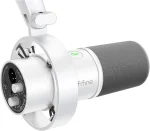
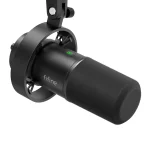
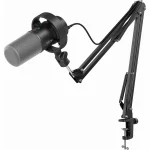
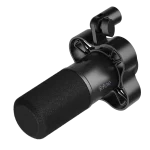
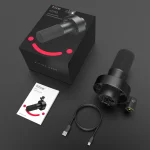


FIFINE K688 USB/XLR Dynamic Mic for Podcasting
₦130,000
Specifications
| Type | Dynamic |
|---|---|
| Polar Pattern | Cardioid |
| Output Connection | USB type-C (mic end) to type-A 2.0 (computer end)/XLR |
| USB Power Consumption | Voltage: 5±0.25 V Current: 86 mA |
| Bit Depth/Sample Rate | 16-bit/44.1k-48k Hz |
| Frequency Response | 50-15k Hz |
| S/N Ratio | >80 dB |
| Max. SPL | 130 dB |
| Sensitivity | -58±3dB |
| Adjustable Gain Range | 0 to +12 dB |
| Shipping Weight | 1.0 kg |
| Brand | FIFINE |
|---|---|
| Color | Black, White |
FIFINE K688 USB/XLR Dynamic Mic for Podcasting

“Is it the best microphone?” “Does it last for long?”
The question of “which is the best microphone” only rings true in the ideal case where everything else is set, you just pick the greatest microphone and are good to go. And that is exactly how you do in a recording studio.
A sensible voice reminds you of choosing a microphone based on the use environment when the budget is tight. Because most of the time recording especially streaming was done in environments that are not treated. With hard surfaces all around your room, the sound is going to bounce off and bounce into your mic. The excessive noise floor is the top deal-breaker for most people.
“Does the microphone last for a long time” is a correct question to ask when you just started out. Because that mic will be the only workhorse that you are going to use for a while. But the question is not all about durability but also upgradeability. The build quality may not fall short but if the audio quality can not keep pace with your ever-increasing demand for recording or streaming, such a mic could still be short-lived.
Content Creation
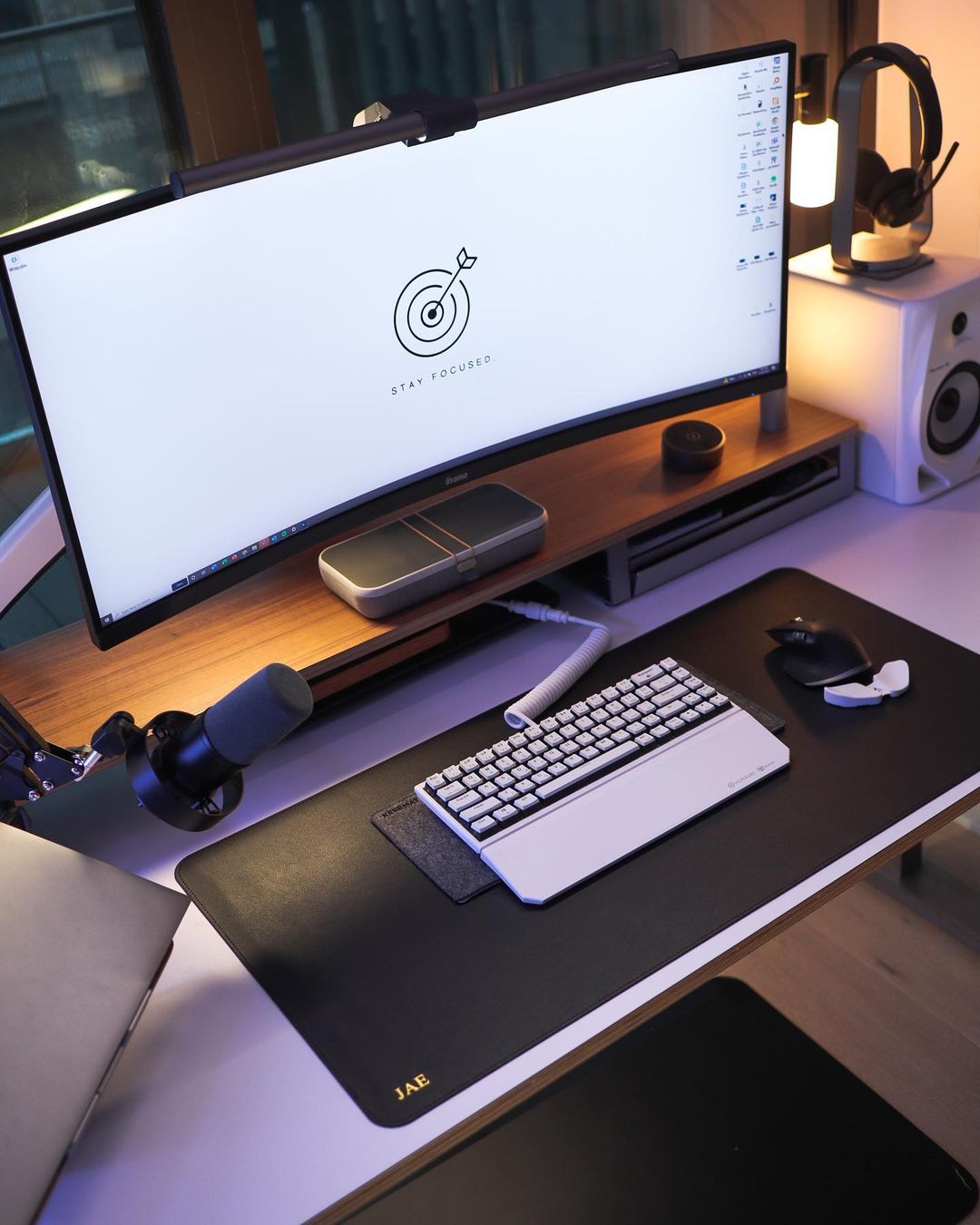
Productivity
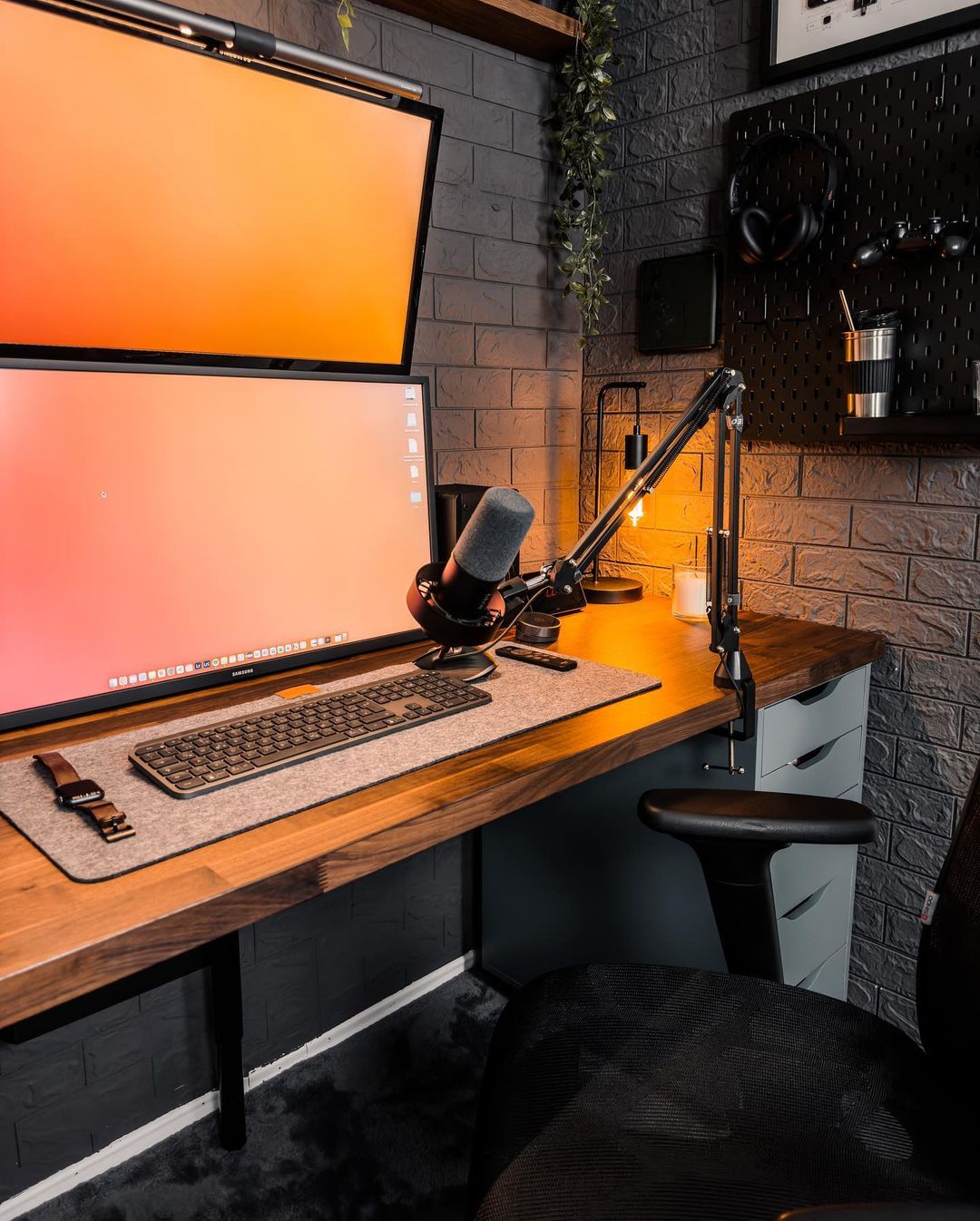
Streaming

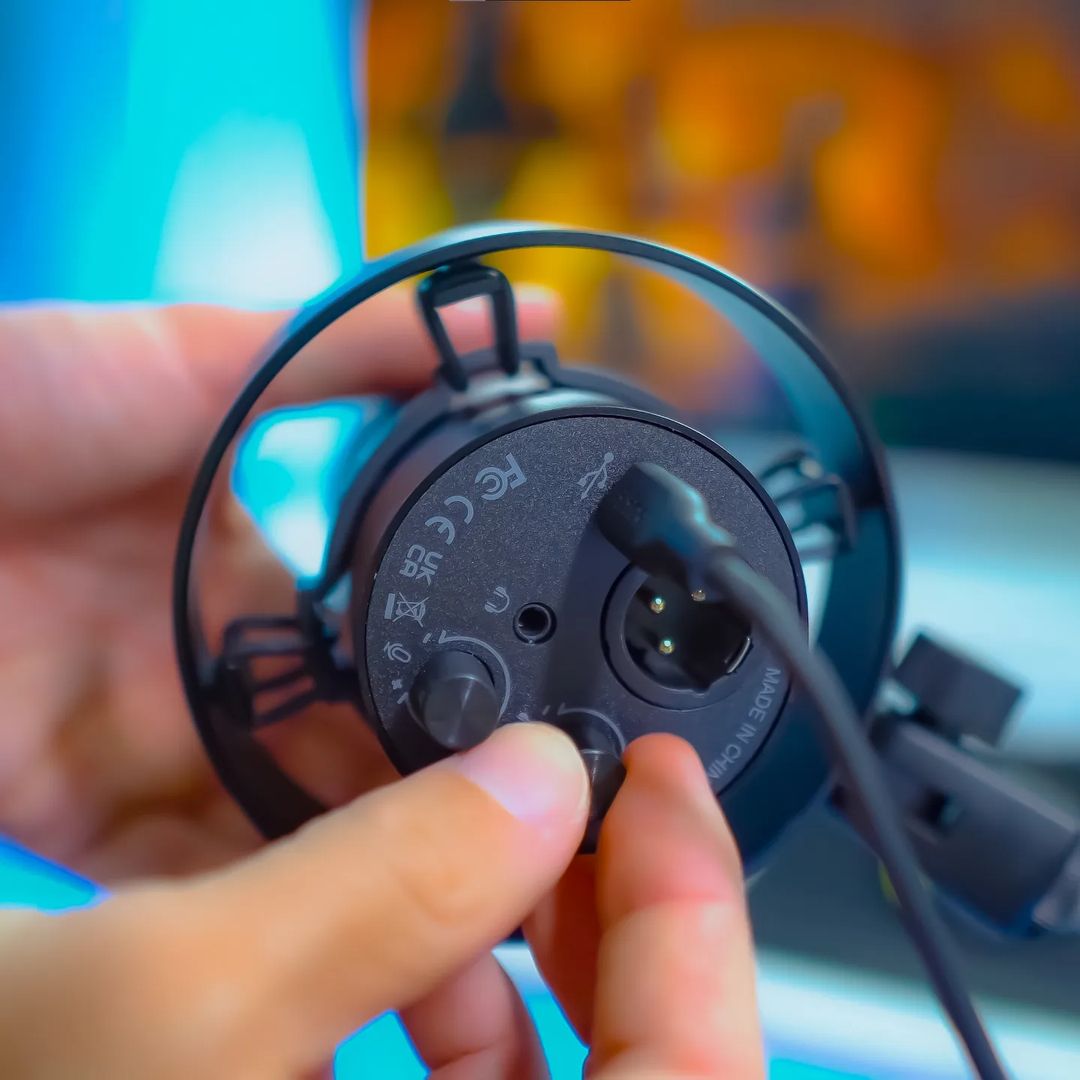
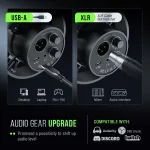
Step Further With Its USB/XLR Dual Connection
What’s The Point of it?
The two outs give universal appeal to everyone in the following years. Because you do not need to put the work into learning to use it at the very beginning. When you want to up your game or look for the next stage at some point, you can do some experiments with it for the XLR function.
If there is such a necessary, or maybe for a special two-PC setup, you can even send the signal from the mic to two different places, like your PC and an audio interface or a PA when using it outdoor.